Compare Local Contractors for Basement Floor Sawing Services
Compare local contractors for basement floor sawing to clarify scope, verify experience, and set clear expectations before hiring the right service provider.
Basement floor sawing is a specialized service that involves cutting through concrete surfaces to create openings for plumbing, electrical work, or structural modifications. This work typically covers tasks such as cutting precise lines for new doorways, windows, or vents, as well as preparing surfaces for foundation work or repairs. Contractors in this field often use heavy-duty saws and equipment to ensure clean, accurate cuts that meet the project's specifications. Understanding the scope of basement floor sawing helps property owners communicate their needs clearly and ensures the work aligns with the building's structural requirements.
Defining the scope of basement floor sawing projects is essential for setting clear expectations and avoiding misunderstandings. Property owners should work with contractors to specify the size, depth, and location of cuts, as well as any additional requirements such as dust control or surface preparation. Having these details in writing helps ensure that both parties are aligned on the work to be performed, reducing the risk of surprises or disagreements later on. Clear scope definitions also make it easier to compare bids and select a contractor who has relevant experience and the right equipment for the specific job.
When evaluating local contractors for basement floor sawing, property owners should consider their experience with similar projects and their familiarity with local building codes or standards. It’s helpful to review each service provider’s portfolio or references to verify their capabilities and reliability. Comparing contractors involves assessing their professionalism, communication clarity, and willingness to provide detailed proposals that outline the scope of work. By focusing on these practical factors, property owners can make informed decisions and choose service providers who are well-equipped to handle their basement sawing needs efficiently and accurately.
Compare local contractors by outlining project priorities, verifying experience, and clearly defining scope and expectations in writing.
- Experience Verification - Confirm that contractors have relevant experience in basement floor sawing projects.
- Scope Definition - Clearly outline the specific work needs and expectations before hiring.
- Written Agreements - Ensure all project details and responsibilities are documented in writing.
- Provider Comparison - Use local service providers to compare qualifications and services for informed decisions.
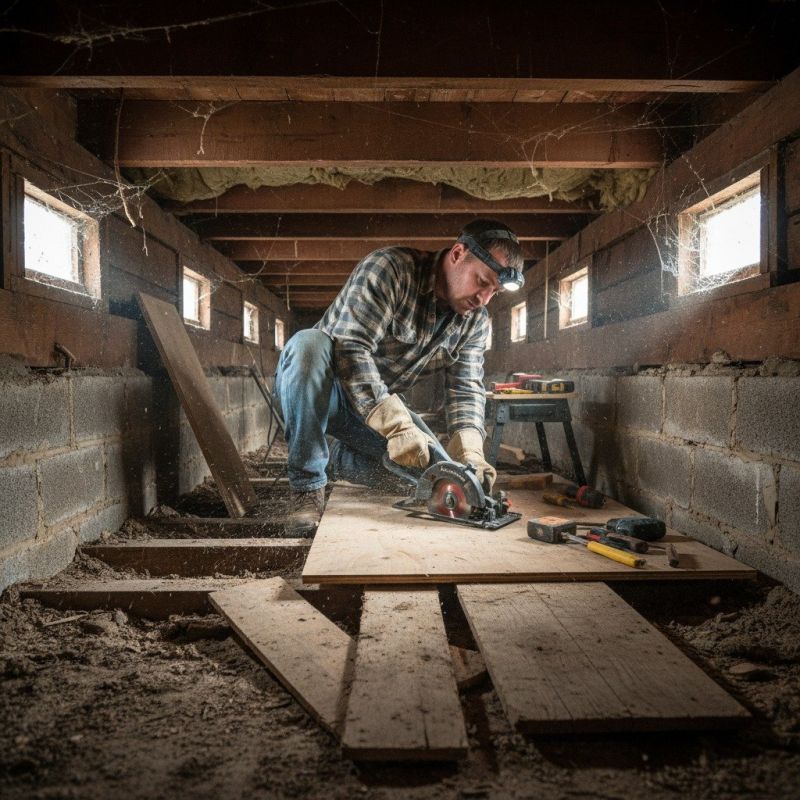
Before comparing contractors for basement floor sawing, clearly define your project scope and verify their experience in similar jobs.
- Verify the experience and specialization of local contractors in basement floor sawing projects. - Ensure service providers clearly define the scope of work and the specific sawing techniques they will use.
- Compare multiple local contractors to assess their expertise and approach to basement floor sawing jobs. - Look for detailed descriptions of methods and equipment to understand their capabilities.
- Request written estimates that outline the scope, materials, and methods to set clear expectations. - Confirm that all project details are documented to avoid misunderstandings.
- Check references or reviews to evaluate the reliability and quality of previous basement sawing work performed by local contractors. - Use feedback from past clients to gauge contractor performance and professionalism.
- Discuss the project’s specific requirements, including access, thickness, and any structural considerations, with potential service providers. - Clear communication helps ensure the contractor understands the job’s scope and constraints.
- Ensure all work details, scope, and responsibilities are documented in a written agreement before work begins. - Having a detailed contract helps manage expectations and provides clarity for all parties involved.
Compare local contractors’ experience and clarify project scope to ensure successful basement floor sawing.
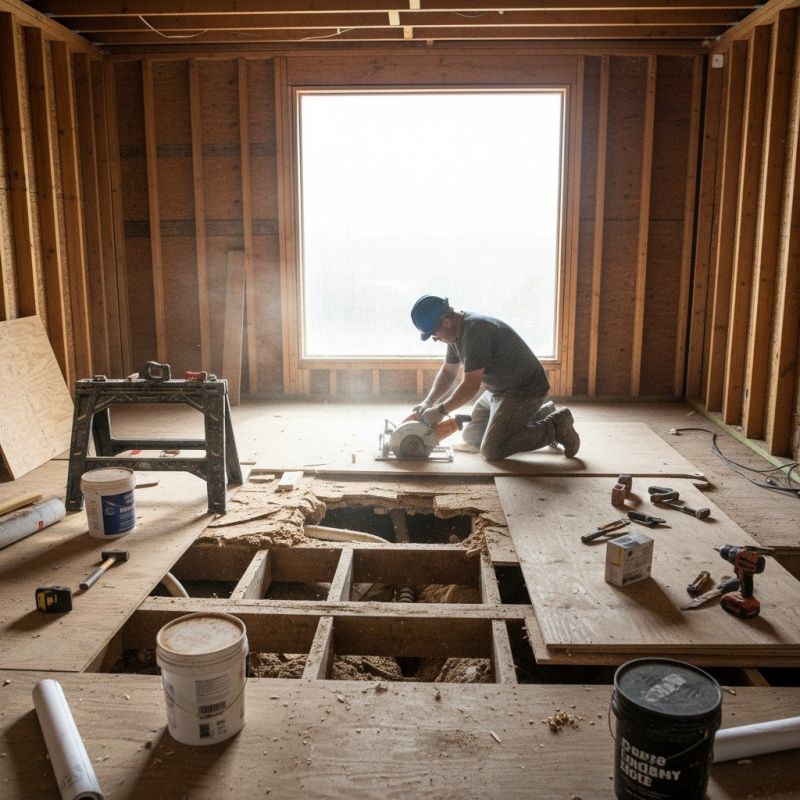
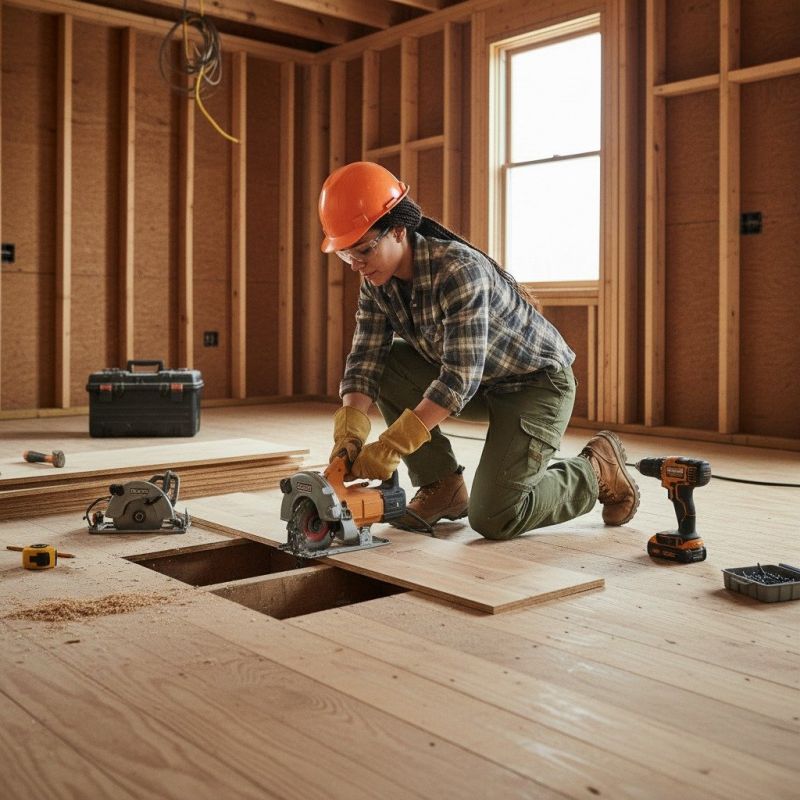

Compare local contractors' scope definitions and experience to ensure consistent standards across providers for basement floor sawing projects.
- Scope Definition - Clearly outline the specific areas and dimensions of the basement floor to be sawn.
- Material Assessment - Identify the type of flooring and underlying materials to determine appropriate sawing methods.
- Experience Verification - Confirm that service providers have relevant experience with basement floor sawing projects.
- Method Specification - Specify the sawing techniques and equipment required for the scope of work.
- Documentation & Expectations - Ensure all project details, scope, and requirements are documented in writing for clarity.
When evaluating contractors for basement floor sawing, it is important to consider their experience with similar projects. Homeowners should inquire about the types of concrete cutting jobs they have completed and whether they have worked on projects comparable in scope and complexity. A contractor’s familiarity with different slab thicknesses, access challenges, and specific site conditions can influence the quality and efficiency of the work. Verifying a contractor’s background in handling projects similar to the current needs helps ensure that they possess the practical expertise necessary for a successful outcome.
A clear, written scope of work is essential when comparing service providers. Homeowners should seek detailed descriptions of the tasks involved, including the size and location of the area to be cut, the type of equipment to be used, and any preparatory or cleanup activities. Having this information in writing helps prevent misunderstandings and provides a basis for evaluating whether the contractor’s proposed approach aligns with the project’s requirements. A well-defined scope also facilitates effective communication and sets clear expectations for the work to be performed.
Verification basics are key to ensuring a contractor’s reliability and professionalism. Homeowners should ask for references or examples of completed projects, and verify that the contractor has the necessary experience with similar types of sawing jobs. Confirming that the contractor uses appropriate safety measures and maintains proper equipment can also be part of the verification process. Gathering this information helps build confidence that the chosen service provider has a proven track record and the right resources to complete the project effectively.
When comparing options, it is helpful to evaluate the details of each contractor’s proposal beyond just scope and experience. Consider how thoroughly they have outlined the work, the specificity of their descriptions, and their responsiveness to questions. Pay attention to how well they understand the project needs and whether their communication demonstrates professionalism and clarity. By focusing on these aspects, homeowners can make informed decisions based on the quality of the proposal and the contractor’s approach, rather than solely on cost or availability.
Ask contractors to provide written scope details to ensure clear expectations and consistent project understanding.
- Experience and Expertise - What level of experience do the local contractors have with basement floor sawing projects?
- Scope of Work - How do contractors define and clarify the specific scope and limitations of the sawing job?
- Equipment and Techniques - What types of equipment and sawing methods do the service providers typically use for basement floors?
- Project Expectations - How do local contractors communicate their approach to ensure project expectations are clearly set in writing?
- Comparison Factors - What criteria should be used to compare different contractors’ approaches and experience levels?
How can I compare contractors for basement floor sawing? Use the website to review profiles, experience, and services offered by various local contractors to identify those that match project needs.
What should I consider when defining the scope of basement floor sawing? Clearly outline the size, depth, and purpose of the saw cut, and communicate these details to ensure contractors understand the project requirements.
How can I verify the experience of a basement floor sawing contractor? Review their past work, request references, or check for project portfolios to assess their familiarity with similar projects.
Why is it important to set expectations in writing with contractors? Documenting scope, responsibilities, and project details helps prevent misunderstandings and provides a clear reference for project completion.
What questions should I ask contractors about basement floor sawing? Inquire about their experience with similar projects, the equipment they use, and how they handle potential challenges during the job.
How does the website help in choosing the right contractor for basement floor sawing? It connects users with qualified service providers, allowing comparison based on experience, services, and reputation to facilitate informed decisions.
This page has provided an overview of what to consider when selecting contractors for basement floor sawing. Visitors learned the importance of clearly defining the scope of work, verifying experience, and setting expectations in writing to ensure a smooth project. Comparing multiple service providers can help identify the best fit for specific needs and preferences.
To find the most suitable contractor for basement floor sawing, use the quote form to connect with local service providers. This allows for a straightforward way to gather information, review options, and make informed decisions based on the details that matter most.